
These pictures were taken on 9th & 11th February 2007 at the Bentsen Rio Grande Valley State Park, Texas.


These pictures were taken on 5th and 2nd February, 2007 at the Bentsend Rio Grande Valley State Park, Texas.


 This picture was taken on 27th December 2006, at the Edinburg, Texas World Birding Center. Blue Winged Teals are a relatively small duck, just 14-16" long and next to Mallards, are the most common duck in North America.

 This picture was taken at the North American Butterfly Association (NABA) Park in Mission Texas on 22 December, 2006. The Rio Grande Valley has more butterflies than anywhere else in the United States. There has been approximately 300 different species documented.


This picture was taken at Bentsen Palm Village RV Resort on 29th November, 2006. This bug can be a gardeners best friend. They eat other bugs by spearing them and then sucking out their juices. The never seem to attack bugs that are beneficial to the garden, only harmful bugs. They are particularly fond of Potato Beatles.
This picture was taken on 29th November, 2006 at the Bentsen Palm Village RV Resort. The ocurr in either gray, brown or green and can change colours to suit their environment. Males are smaller than females and when mating, the male approaches from behind and must be very careful as if the female gets a chance, it will b ite the males head off. If it were me, I think I would become celebit!!!
This picture was taken on 8th November 2006 at Mexico Beach in the Florida Panhandle. The Ghost Crab lives in burrows on the sand during the day and hunts for food at night. He enters the water mainly to wash his food. Adults actually travel a fair distance from the ocean; I'm not sure how far but I saw one about 200 yards from shore. He is very similar to the color of the sand and this coupled with foraging at night led to his name of the "Ghost Crabe". He is also very wary of enemies and his eyes can "periscope" , raising above his body giving him 360 degree vision. He is also very fast on land and can run up to speeds of 10 mph.
This picture was taken on 24th November 2006 at Bentsen Palm Village RV Park. They are poisonous and they do bite, but they aren't harmfull to humans. Their bodies will measure up to about 2" across and their legs about 5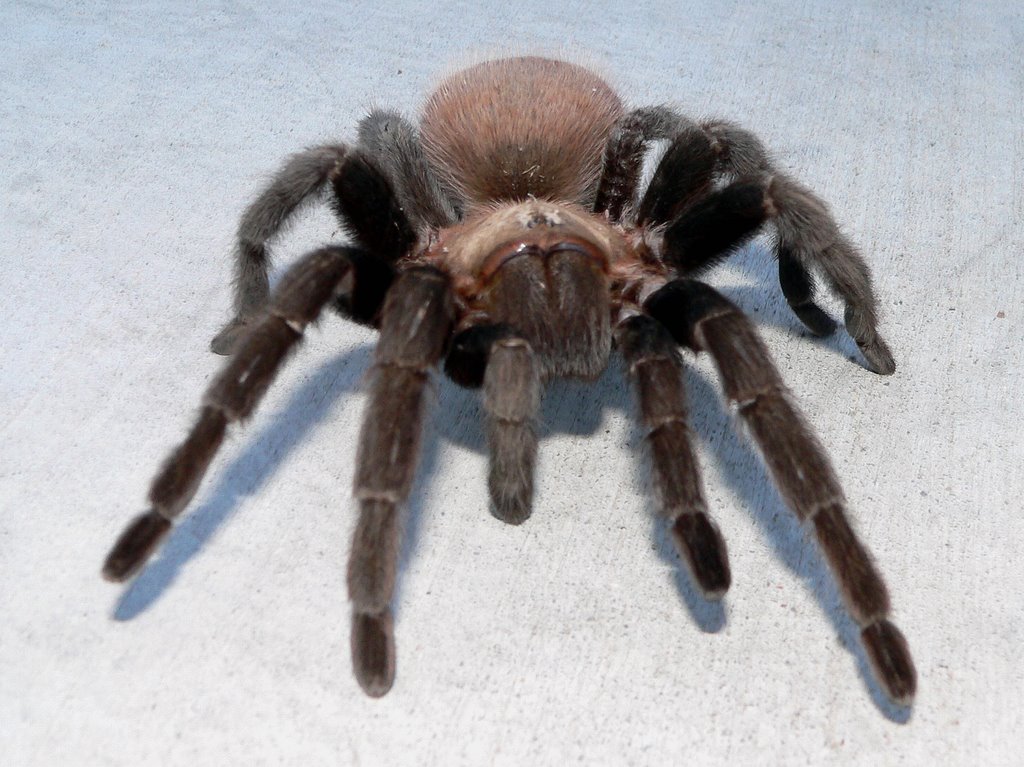 ". It takes several years for them to reach sexual maturity. When the male does go looking for a mate, sometimes he will be eaten by the female before he can mate. Even if he is successful in mating, he will then die within a few months. After mating, the female will lay 500 to 1,000 eggs which will hatch in about two weeks. The female doesn't feed the offspring. They're on their own. The female can live from 25 to 40 years. I guess it's better to be a female Tarantula than a male.
This photo was taken at the Rockport Marina on 22 November 2006. This guy is quite tame and his name is Billie. He was named after a fellow named Billie who used to work at the marina and one of his jobs was to catch fish bait and he always gave this Egret some of the bait. Billie died recently of a heart attack and the Marina people thought it fitting to call this Great Egret Billie.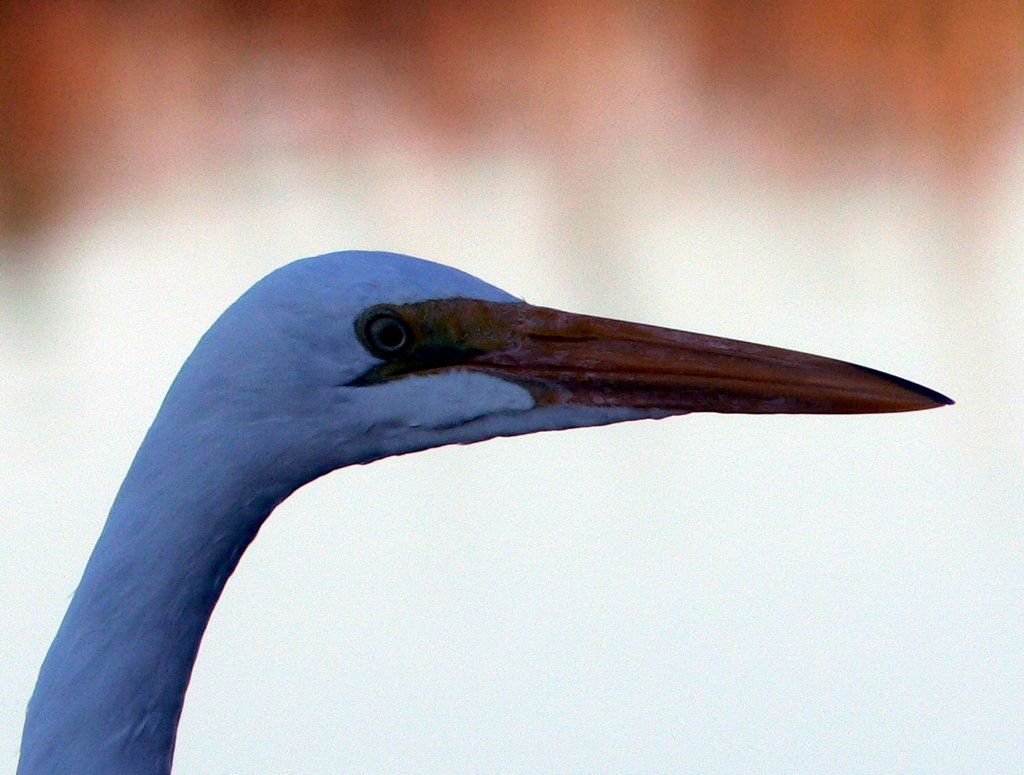

This picture was taken in our back yard on 20 April 2006. Purple Finches have declined in numbers when the non-native House Finch was introduced in 1940. The House Finches original territory was Southwestern United States and Mexico, but was introduced to Long Island in 1940 and quickly spread throughout the east. Fights between Purple and House Finches almost always end up with the House Finch being the victor.

This picture was taken on 14 May 2006 in our back back yard. They are an extremely beautiful bird and their favourite food is thistle or Niger seed. They also eat seeds from last years weeds. They don't nest in the spring like most birds but instead nest in July or August and usually only have one clutch but will occassionally have a second.

This picture was taken near Rockport Texas on our way home last spring (6 April 2006). The Redhead is a diving duck and eats mainly vegetation but will eat the odd small animal such as frogs and salamanders. They're a fairly small duck weighing 2-2 1/2 pounds and they've been known to lay their eggs in other birds nests, especially Mallards.
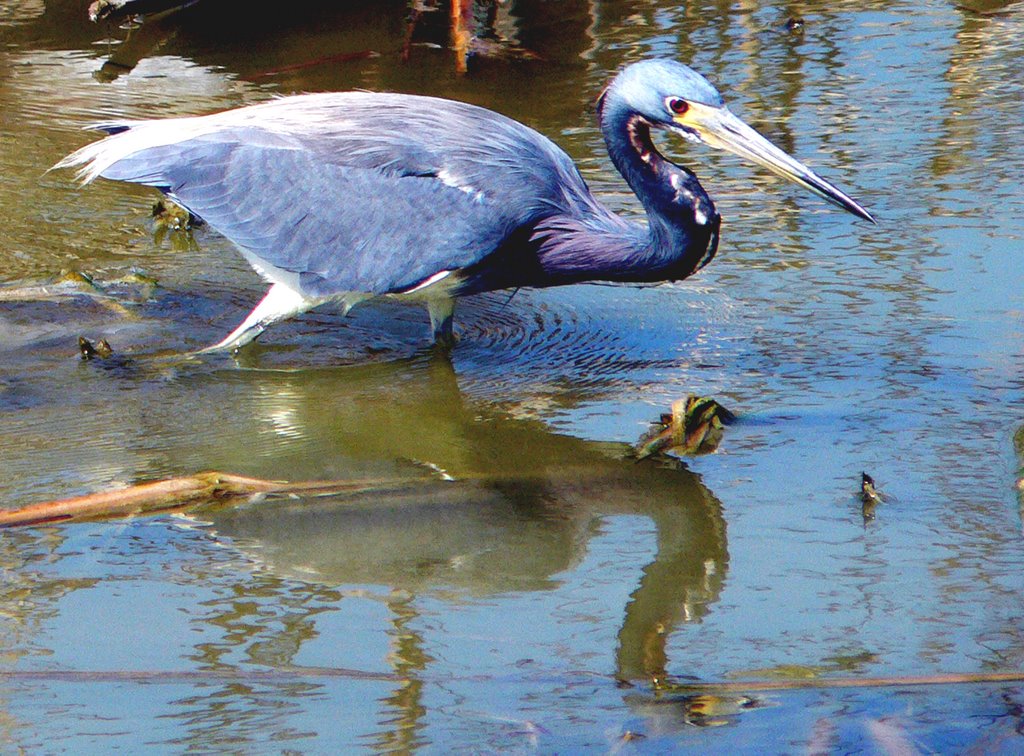
This is a Tricolored Heron in the hunt mode. The picture was taken on 23 March 2006 at Port Aransas. I was standing on the board walk watching him as he walked very quickly up and down, occassionally shooting his neck forward to catch a small fish or insect.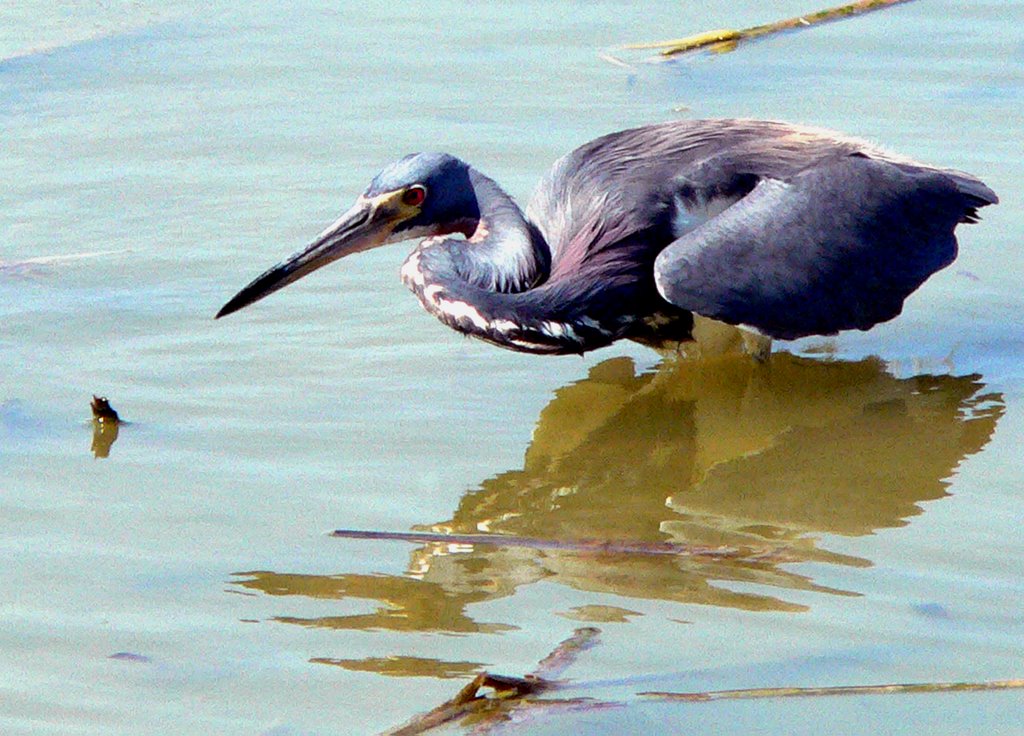
This picture was taken way back on 24 January 2006 near Mission Texas. I didn't initially publish this picture because I didn't think it was good enough. If you look at it, it's not as clear as it could be, but there's something kind of mystical about the picture. It was taken fairly early in the morning on a day that had a lot of fog. The sun was trying to burn through the fog creating a glow in the water while an assortment of waterfowl (Glossy Ibis in the middle) languish on a log and in the water. One of my favourite shots even though it isn't really clear.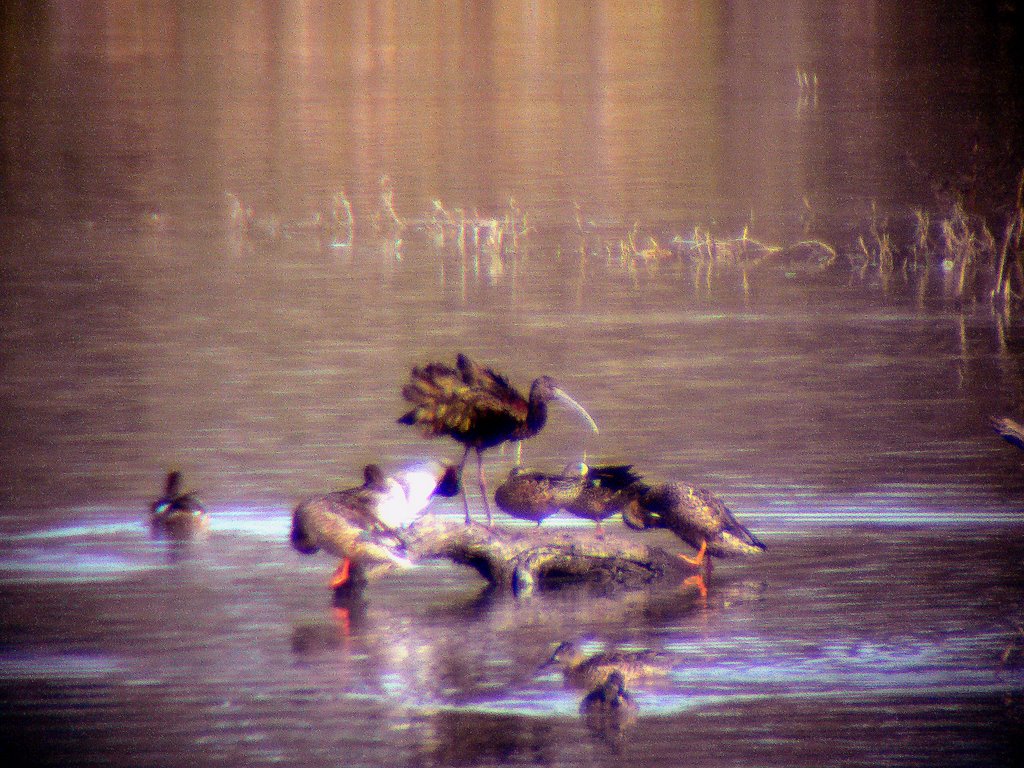

This picture was taken at Rockport Texas on 6 April 2006. The Mallard is the most common duck in North America and one that most people can identify.


 Posts
All Comments
Posts
All Comments


